
5 Critical Hillside Construction Tips for SB 721/SB 326 Compliance
5 Critical Hillside Construction Tips for SB 721/SB 326 Compliance
California is renowned for its breathtaking landscapes, but for property owners and developers, building on steep terrain presents unique challenges. When you combine the geological complexity of a hillside with the stringent legal requirements of the state’s balcony inspection laws, the stakes are raised significantly.
Navigating Hillside Construction requires more than just good engineering; it requires a deep understanding of legislative mandates like SB 721 and SB 326. These laws were enacted to prevent tragedies like the Berkeley balcony collapse and mandate strict inspections and structural repairs for multi-unit dwellings.
In this guide, we will explore how to harmonize the complexities of building on a slope with the rigorous demands of SB 721/SB 326 compliance. Whether you are a property manager, a homeowner association (HOA) board member, or a developer, understanding these five critical tips will save you time, money, and potential legal nightmares.
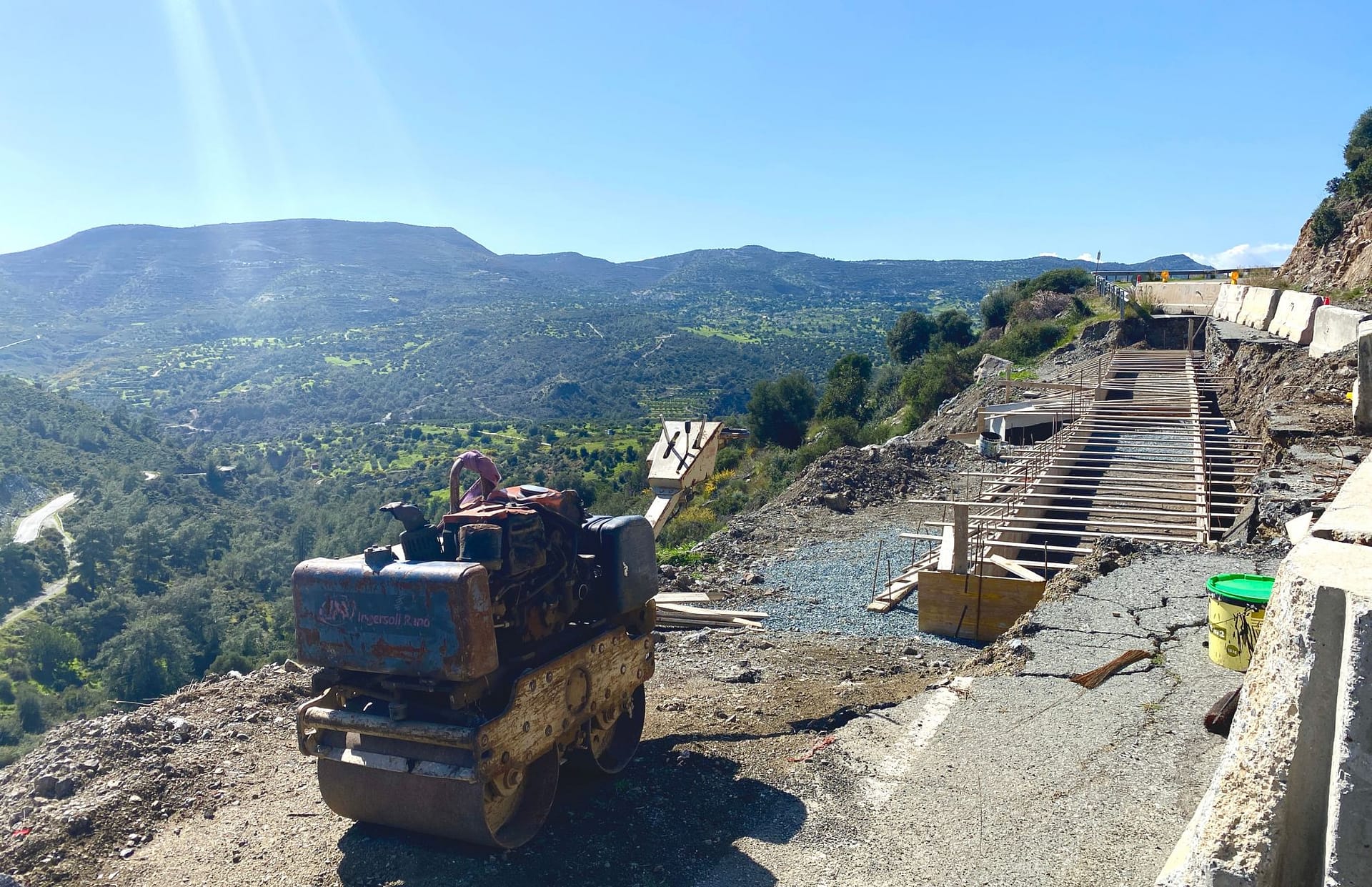
What is Hillside Construction?
Before diving into the legalities, define the scope of the work. Hillside Construction refers to the specialized building practices required when developing on slopes with a grade of 10% or steeper. Unlike flat-land building, hillside projects require intricate foundation systems, such as caissons, piers, and retaining walls, to anchor structures against gravity and seismic activity.
Hillside properties are often more susceptible to soil erosion, drainage issues, and landslides. When you factor in SB 721/SB 326 compliance, which requires that “Exterior Elevated Elements” (EEEs) be inspected for safety, the difficulty multiplies. Structural elements on a hillside—such as cantilevered decks, stairways, and balconies—are often the features these laws scrutinize most.
1. Understanding the Intersection of SB 721/SB 326 and Slope Stability
The first step in any successful project is understanding the regulatory landscape. Senate Bills 721 and 326 require specific inspections for buildings with three or more dwelling units.
-
SB 326 applies to HOAs and condominiums.
-
SB 721 applies to apartment buildings.
Both laws require that “load-bearing” components (balconies, decks, walkways) be inspected by a licensed architect, civil engineer, or structural engineer by January 1, 2025, and every six years thereafter.
However, at Hillside Construction, these inspections aren’t just about a balcony’s wood framing. They must account for earth movement. A deck attached to a home on a slope faces different stressors than one on flat ground. Soil movement, water runoff, and seismic activity inherent to hillsides mean structural repairs identified during an SB 721/SB 326 inspection must be tailored to the property’s specific geotechnical environment.
If a deck fails on a hillside, the fall is often greater, and the structural failure is often a symptom of deeper foundation issues. Therefore, your compliance strategy must include a geotechnical review alongside the state-required visual inspection.

2. Drainage is the Silent Killer of Hillside Structures
In Hillside Construction, water is your greatest enemy. Proper drainage is essential to prevent soil saturation, which can lead to landslides and foundation failure.
When inspectors check SB 721/SB 326 compliance, they look for water damage, dry rot, and corrosion. On a hillside, water tends to pool around retaining walls and under decks if not properly managed. If your drainage systems are clogged or failing, water will find its way into the structural components of your balconies and staircases.
To ensure compliance and longevity:
-
Install French Drains: These are essential for redirecting groundwater away from the foundation and structural supports.
-
Ensure Proper Grading: The ground beneath and around EEEs (Exterior Elevated Elements) must slope away from the building.
-
Regular Maintenance: Unlike flat properties, hillside properties require biannual gutter cleaning and drainage checks. A clogged drain can cause water to back up into the very wood framing that SB 326 mandates you protect.
For more information on how water affects soil stability, you can refer to the USGS Landslide Hazards Program, which provides DoFollow resources on geological risks.
3. Choosing the Right Materials for Structural Repairs
When structural repairs are mandated by an SB 721/SB 326 inspection, you can choose to replace like-for-like or upgrade for the future.
Traditional wood framing is common but vulnerable to the elements. Because of exposure to wind, moisture, and potential pests, many experts now recommend switching to steel framing or pressure-treated lumber with advanced moisture barriers during repairs.
For SB 721/SB 326 compliance, the focus is on “load-bearing” safety. If a structural engineer identifies a failing wooden beam on a hillside deck, replacing it with a steel moment frame or galvanized steel joists can provide superior durability. This not only satisfies the immediate need for structural repairs but also reduces the maintenance burden for the next inspection cycle.
Furthermore, the fasteners and connectors used in hillside environments must be hot-dip galvanized or stainless steel to resist corrosion. Salt air in coastal hillside communities accelerates rust, a primary cause of failure cited in SB 326 reports.

4. The Role of Geotechnical Engineering in Compliance
You cannot achieve SB 721/SB 326 compliance on a hillside without acknowledging the ground beneath the building.
Standard SB 326 inspections often involve a visual assessment and destructive testing (opening up walls to check framing). However, on a hillside, the foundation itself is part of the “Exterior Elevated Element” ecosystem. If the foundation is slipping, the attached deck will fail, regardless of how well the deck itself was built.
Your compliance team must include a geotechnical engineer who can assess soil creep and slope stability. If the hillside is moving, structural repairs must be designed to accommodate that movement. This might involve:
-
Helical Piers: Screwed deep into stable soil to stabilize foundations.
-
Grade Beams: Reinforced concrete beams that span across unstable soil pockets.
-
Shear Pins: Used to pin retaining walls to bedrock.
Addressing these geotechnical issues during the SB 721/SB 326 inspection process ensures that you are not just fixing a cosmetic problem, but securing the entire asset.
5. Documentation and Professional Inspection
Documentation is the cornerstone of SB 721/SB 326 compliance. You must prove that a qualified professional performed the inspection and that any necessary structural repairs were completed correctly.
For Hillside Construction, this documentation is more complex. You need to maintain:
-
Geotechnical Reports: Proof that the ground is stable.
-
Structural Calculations: Proof that the repairs meet load-bearing requirements.
-
Waterproofing Certificates: Proof that the repairs are protected from the elements.
It is highly recommended to hire a firm that specializes in both hillside engineering and SB 326 compliance. General home inspectors are often not qualified to assess the complex structural loads present on a hillside.
For structural safety standards, the American Society of Civil Engineers (ASCE) provides extensive resources and codes that govern these types of repairs.

Conclusion
Managing Hillside Construction in the era of SB 721 and SB 326 is a formidable task. It requires a holistic approach that looks beyond the balcony railing and deep into the soil and structure of the building.
By understanding the intersection of slope stability and legal compliance, prioritizing drainage, choosing durable materials, utilizing geotechnical experts, and maintaining impeccable documentation, you can protect your property and your residents.
Compliance is not just about avoiding fines; it is about preventing tragedy. On a hillside, where the forces of nature are constantly at work, adhering to SB 721/SB 326 compliance and performing timely structural repairs is the only way to ensure your property stands the test of time.
Contents
- 1. 5 Critical Hillside Construction Tips for SB 721/SB 326 Compliance
- 1.1. What is Hillside Construction?
- 1.2. 1. Understanding the Intersection of SB 721/SB 326 and Slope Stability
- 1.3. 2. Drainage is the Silent Killer of Hillside Structures
- 1.4. 3. Choosing the Right Materials for Structural Repairs
- 1.5. 4. The Role of Geotechnical Engineering in Compliance
- 1.6. 5. Documentation and Professional Inspection
- 1.7. Conclusion